
Latest News & Expert ArticlesRain Chain
2026年2月23日
High-Heat Rain Chain Materials: Industrial Sourcing Guide
Technical guide for North American B2B importers on selecting architectural rain chains for high-heat environments. Learn about nickel alloys, stainless steel grades, and coating durability.
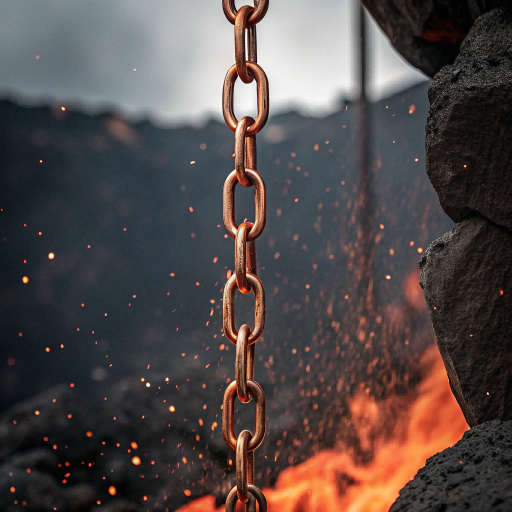
When specifying architectural drainage components for high-heat regions or industrial zones, the material’s thermal stability is just as critical as its corrosion resistance. In extreme environments—whether simulated in cinematic "volcanic" landscapes or found in real-world proximity to industrial exhaust—standard metals often succumb to rapid oxidation and structural fatigue.
For North American importers and project managers, sourcing a rain chain that can withstand high-heat cycles requires a deep understanding of metallurgy. This article explores how specialized alloys and coatings ensure that a metal rain chain remains functional and aesthetically consistent even when exposed to extreme thermal stress.
Chemical Erosion in High-Heat Environments: Analyzing Particulate and Sulfur Impact
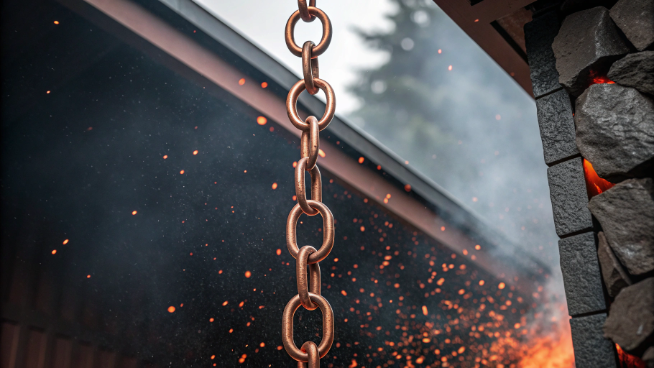
In environments characterized by high heat and airborne particulates—similar to the volcanic ash environments depicted in modern media—metal surfaces face aggressive chemical erosion. Volcanic ash and industrial soot often contain sulfur compounds which, when combined with moisture, create a corrosive sulfuric acid environment. For a rain chain, which is constantly exposed to both air and water, this accelerated oxidation can lead to "pitting" or surface scaling within months.
When importing rain chains for projects in wildfire-prone areas or near heavy industrial sites, buyers must verify the material's resistance to high-temperature oxidation. While standard carbon steel fails almost immediately, high-grade architectural metals like copper or specific stainless steel grades develop a stable oxide layer that protects the underlying structure from further chemical attack.
Material Strength at Scale: The Role of Specialized Alloys in Metal Fabrication
In aerospace and heavy industry, materials like Inconel (nickel-based superalloys) are the gold standard for maintaining structural integrity at temperatures exceeding 1000°C. While a custom rain chain rarely faces such extremes, the logic of alloy selection remains vital for durability in the North American market.
For high-end architectural rain chain manufacturing, the use of 304 or 316-grade stainless steel mimics the reliability of industrial alloys. These materials maintain their tensile strength and do not become brittle when exposed to the intense UV radiation and "heat island" effects common in modern urban architecture. When evaluating a rain chain supplier, it is essential to confirm that the alloy used is consistent throughout the product, rather than a cheaper core with a thin, heat-sensitive plating.
Thermal Barrier Coatings and Specialized Finishes for Longevity
Modern industrial design often utilizes Thermal Barrier Coatings (TBC) to protect metal from heat flux. In the context of architectural rain chains, this translates to advanced finishing techniques like PVD (Physical Vapor Deposition) or high-grade fluorocarbon coatings. These finishes do more than provide color; they act as a shield against thermal expansion and contraction.
Thermal cycling—the constant heating by the sun and cooling by rain—can cause inferior coatings to crack or peel. For the importer, ensuring that a custom rain chain utilizes a heat-stable finish is the difference between a product that lasts decades and one that requires replacement after a single season. High-quality powder coatings used by professional manufacturers are rated for UV and thermal stability, ensuring the chain's aesthetic remains intact under the harshest exposure.
Common Mistakes When Importing Rain Chains from China
Importing architectural metalwork involves navigating technical specifications that are often overlooked until the product arrives on-site.
- Underestimating Thermal Expansion:Choosing designs with tight tolerances that do not account for metal expansion in high-heat climates, leading to link breakage or loud mechanical noise.
- Misidentifying Material Grades:Accepting "stainless steel" labels without verifying whether it is 201 (prone to rusting in heat/moisture) or 304/316 (architectural grade).
- Overlooking Coating Specifications:Failing to specify UV and heat-resistance ratings for painted or powder-coated chains, resulting in rapid fading in the North American sun.
- Ignoring Weld Integrity:In high-heat environments, poor welds are the first point of failure. Importers often fail to request cross-sectional weld tests from their manufacturers.
Key Questions to Ask Your Rain Chain Supplier
To ensure your supply chain meets professional standards, use the following technical checklist during the evaluation phase:
- What specific grade of stainless steel or copper alloy is used for the base material, and can you provide a mill test report (MTR)?
- How does the finish (PVD, powder coating, or plating) perform under accelerated weathering and thermal cycling tests?
- Are the links welded or mechanically joined, and what measures are taken to ensure weld strength in fluctuating temperatures?
- Can the product dimensions be customized to accommodate higher drainage volumes common in extreme weather events?
- What is the maximum load-bearing capacity of the chain when subjected to heavy ice or thermal stress?
Conclusion
Selecting the right material for a rain chain goes beyond basic aesthetics; it is an engineering decision based on the project's environmental reality. Whether dealing with the heat of the Southwest or the industrial atmosphere of the Northeast, professional importers must prioritize materials and finishes that offer thermal and chemical stability. By focusing on high-grade alloys and verified coating processes, B2B buyers can ensure their architectural drainage solutions provide long-term value and structural reliability.